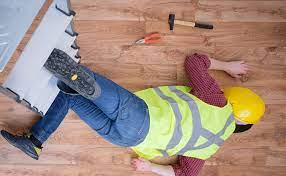
Best practices for working at heights, on poles, and on the road
We’re excited to introduce a series of best practice articles focusing on essential topics:
- Think before you climb: Take ladder safety seriously
- Accidents ambush the unready: Be safe on any high-working
- Not all poles are the same: Handle with care
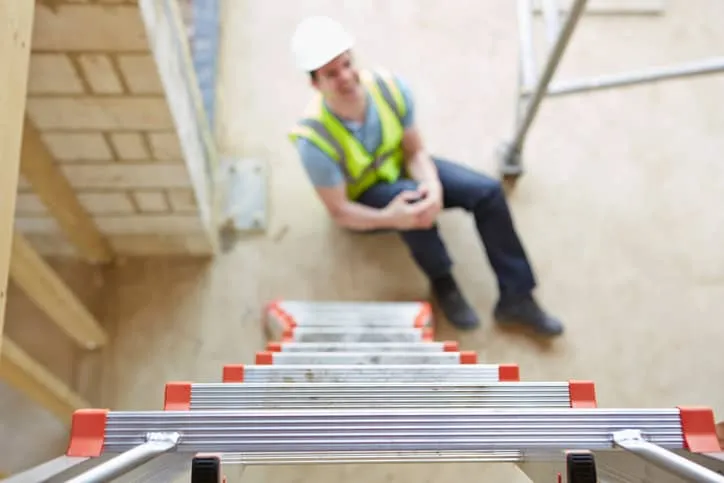
Think before you climb: Take ladder safety seriously
Working at heights remains one of the biggest causes of major injuries at work. To put it bluntly: every time you use a ladder, there is a real chance that you could slip, fall, and get injured. These injuries can be serious and life-changing, in some cases, people never walk again, and can be fatal. The fact is ladders can be dangerous.
Always inspect the ladder before using it. Even a brief pre-work check can save a life. Your life. If the ladder proves to be defective, do not use it, no matter how pressed for time you are. If the ladder passes inspection, use it properly.
Defects to look for:
- Structural damages, split/bent side rails, broken/loose rungs, steps, rails or braces, loose screws, bolts and hinges.
- Grease, dirt, and other contaminants could cause slip and fall.
Make sure it is level and stable. Do not use random things to raise the height of the ladder. Always latch your ladder, and maintain a 3-point contact, 2 hands and 1 foot or 1 hand and 2 feet in contact with the ladder. Do not carry a load when you ascend or descend a ladder.
Do not move the ladder whilst standing on it. Follow the one-person-at-a-time rule. Never sit or stand on the top step of the ladder. Do not place a ladder against a defective pole. Always remember that the use of portable metal or conductive ladder material for electrical work or in locations where they may contact electrical conductors is prohibited. Nonconductive ladders such as those made of wood or fiberglass should be used instead.